Why fixed prices beat haggling — for everyone
Bargaining feels normal, but it quietly costs homeowners time and workers money. Here is how KarobarLink sets one fair rate per job, and why we think it changes the game.

Ask anyone in Karachi or Lahore how they last hired an electrician and you will hear the same story: a phone call, a vague quote, a different number at the door, and ten minutes of back-and-forth before any work begins.
Haggling looks like a way to save money, but it adds friction for both sides. Homeowners never know if they paid too much. Skilled workers lose hours negotiating, and the most honest ones often lose jobs to whoever quotes lowest — even when that person cuts corners.
- Time: negotiating on the phone and again on arrival.
- Uncertainty: the final price depends on who argues harder.
- Quality: the cheapest quote wins, not the best work.
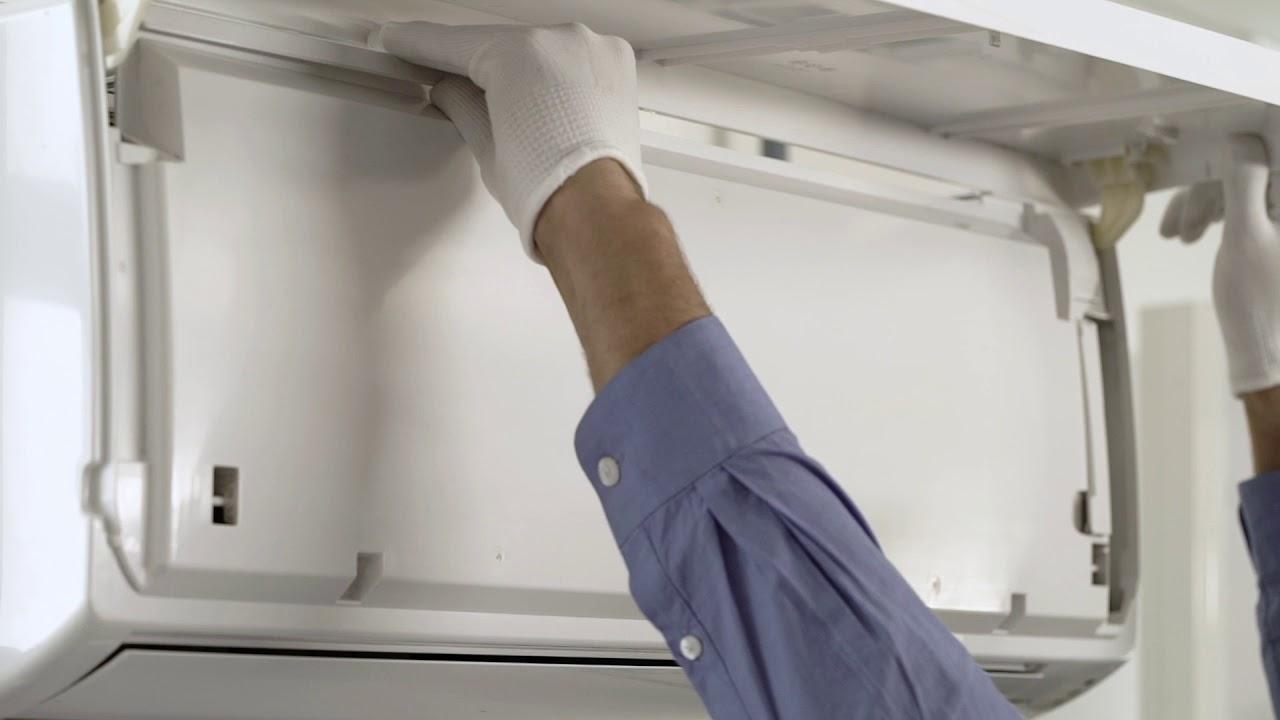
Each service — installing a ceiling fan, servicing a split AC, fixing a leaking tap — has a fixed platform rate. We set it from local market prices, the typical time a job takes, and the materials it usually needs. The rate is shown to the client before they post and to the worker before they express interest.
Illustrative demo rates. Final rates vary by city and are shown in the app.
When price is off the table, clients compare what actually matters: ratings, distance, response time, verification badges and past work. Workers compete by being reliable — which is exactly what good workers want to be judged on.
I used to spend half my day on the phone arguing about rates. Now I spend it working.